Not everyone in Hungary has the luxury of a sprawling garden plot. In Budapest and other Hungarian cities, many residents live in apartments with small balconies or shared courtyards. But limited space does not mean limited gardening potential. With the right containers, plant selections, and a bit of creative layout planning, even a narrow terrace can produce fresh herbs, salad greens, and a display of flowering plants that rivals any ground-level garden.
Assessing Your Balcony
Before purchasing any containers or seeds, take time to understand your specific growing conditions. The single most important factor for balcony gardening success is sunlight.
- South-facing balconies receive 6 or more hours of direct sunlight and can support tomatoes, peppers, and most herbs. In summer, temperatures against a south-facing wall can exceed 40C, so plan for afternoon shade and adequate watering.
- East or west-facing balconies get 4 to 6 hours of sun and are ideal for a wide range of plants, from leafy greens to flowering perennials.
- North-facing balconies receive minimal direct sun. Focus on shade-tolerant plants like ferns, hostas, impatiens, and leafy herbs such as mint and parsley.
Also consider wind exposure. Higher floors in Budapest and other cities can be surprisingly windy, which dries out containers faster and can damage delicate plants. Use windbreaks like trellis screens or tall grasses to protect vulnerable plants.
Choosing the Right Containers
Container choice affects both aesthetics and plant health. The key considerations are material, size, and drainage.
Terracotta looks beautiful and allows air circulation to roots, but dries out quickly in Hungarian summers and can crack in freezing temperatures. If you use terracotta, bring pots indoors or wrap them with insulation before winter.
Plastic and resin containers are lightweight (important for balcony weight limits), retain moisture well, and do not crack in cold weather. Modern designs look much better than the basic options of a decade ago.
Fabric grow bags are an increasingly popular option. They promote excellent root health through air pruning, are lightweight, and can be folded for storage in winter. They work especially well for tomatoes and herbs.
Regardless of material, ensure every container has drainage holes at the bottom. Waterlogged roots are the single most common cause of container plant death. Use a layer of expanded clay pebbles (commonly available at Hungarian garden centres) at the bottom of larger pots to improve drainage.
Best Plants for Hungarian Balconies
Selecting the right plants is crucial. Focus on varieties that perform well in containers and suit your specific light conditions.
Herbs
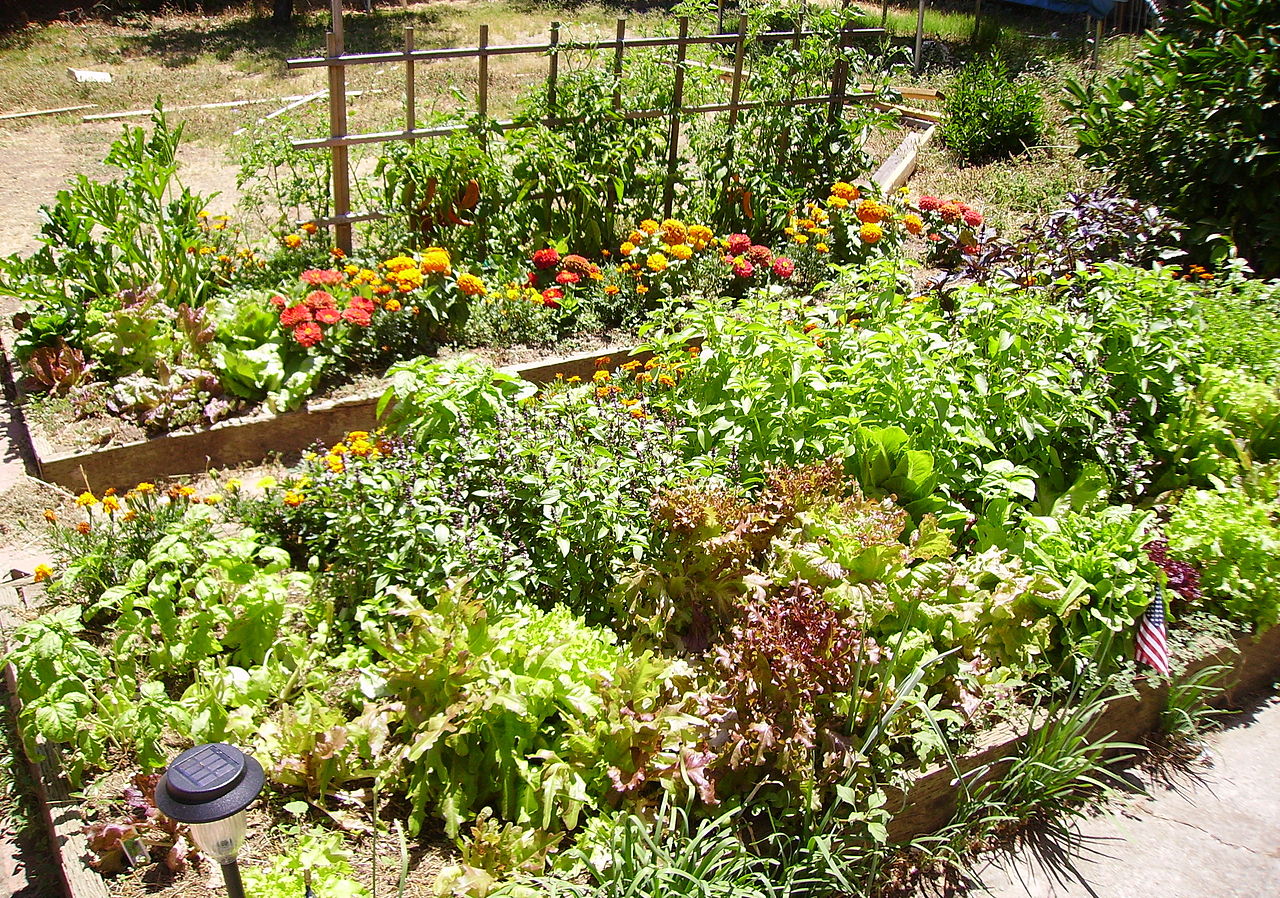
Herbs are the best starting point for any balcony garden. They are compact, productive, and useful in the kitchen. Basil, thyme, rosemary, chives, and parsley all thrive in containers on a sunny Hungarian balcony. Mint is vigorous and should always be kept in its own pot, as it spreads aggressively when given the chance.
Salad Greens
Lettuce, rocket, spinach, and radishes grow quickly in shallow containers and can be harvested as needed. In the heat of a Hungarian summer, these crops perform best in partial shade or on east-facing balconies where they receive morning sun but are protected from the intense afternoon heat.
Tomatoes and Peppers
Compact or dwarf tomato varieties such as 'Balkonstar' or 'Tiny Tim' are bred specifically for container growing. Hungarian paprika peppers also perform well in large pots (at least 10 litres) on sunny balconies, though they need consistent watering and feeding throughout the summer.
Flowering Plants
For colour, geraniums (pelargoniums) are the classic Hungarian balcony choice, flowering prolifically from May through to the first frost. Petunias, calibrachoas, and trailing lobelia are all excellent for hanging baskets and railing planters. For a more contemporary look, consider ornamental grasses like Stipa tenuissima or Pennisetum, which add movement and texture.
Vertical Gardening Techniques
When horizontal space is limited, grow upward. Vertical gardening can dramatically increase your growing area.
- Wall-mounted planters: Attach pockets or modular planting systems to a sunny wall. These work well for herbs and strawberries.
- Trellises: Lean or fix a trellis against a wall and grow climbing beans, sweet peas, or small-fruited cucumbers.
- Tiered shelving: A sturdy plant stand with multiple levels creates a vertical display while keeping all plants accessible for watering and care.
- Hanging baskets: Suspend from balcony railings or ceiling hooks. Trailing plants like ivy, trailing petunias, and strawberry varieties cascade beautifully from hanging containers.
Watering and Feeding
Container plants dry out faster than those in the ground, especially during Hungarian summers when temperatures soar. Check containers daily in warm weather, watering in the early morning for best results. Self-watering containers with built-in reservoirs can reduce the frequency of watering and are a worthwhile investment if you travel or have a large number of pots.
Feed container plants every two weeks during the growing season with a balanced liquid fertilizer. Tomatoes and peppers benefit from a higher-potassium feed once they begin flowering and setting fruit.
Winter Care for Balcony Gardens
Hungarian winters can be harsh, with sustained freezing temperatures from December through February. Most annual plants will not survive, so harvest and compost them in autumn. Perennial herbs like rosemary and thyme may survive a mild winter if moved close to a sheltered wall and wrapped with horticultural fleece. Alternatively, bring small pots of herbs indoors to a bright windowsill.
Terracotta and ceramic pots should be emptied and stored dry to prevent frost cracking. Alternatively, insulate them with bubble wrap. Structural plants like evergreen grasses or small boxwood topiaries can often stay outdoors if their containers are well-insulated at the root zone.
A balcony garden is never too small to bring joy. Even a single pot of fresh basil changes the way you connect with your food and your outdoor space.
Further Reading
For container gardening inspiration and technique guides, the RHS Container Gardening section offers detailed advice applicable to Hungarian conditions. The Wikipedia article on container gardening provides a good overview of the history and principles of the practice.

